What your replacement liner needs to fit. How a furnace change can affect your chimney. What to look for in a relining quote.
Establish why the liner needs to change
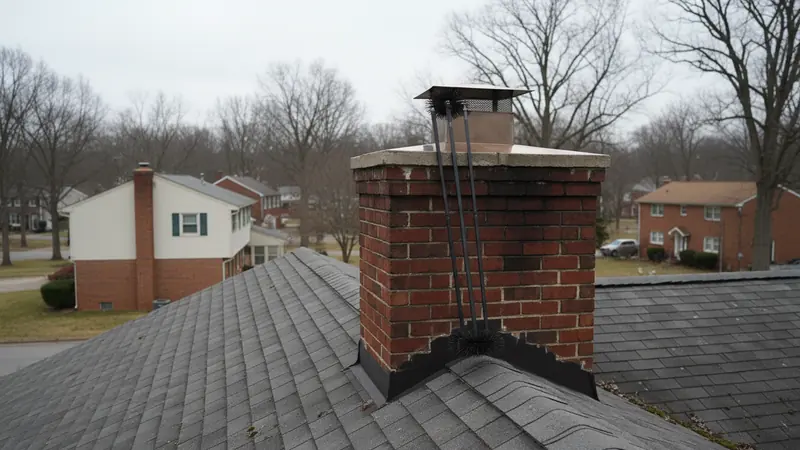
A liner carries combustion gases through the chimney. It protects the surrounding masonry from heat and corrosive condensate. Replacing it can fix a damaged passage. It can also make the passage suit the appliance. Those are different jobs, even when both quotes say “reline chimney.”
Ask the contractor which flue needs work. Ask them to show you the defect. Get them to explain what the proposed liner will fix. Does the report describe damaged lining, an unlined passage or a flue too large for the equipment? The Department of Energy's weatherization guidance gives these as reasons to consider lining, relining or rebuilding. That does not mean every old chimney needs a replacement.
Get this clear before you approve demolition. Ask which existing materials will stay. Find out which must come out. If the contractor suggests a surface repair, ask how it fixes the documented defect. Check whether it suits your intended fuel and appliance. Ask them to show how the proposed work follows from the evidence. You should not have to choose between unfamiliar product names.
Source: U.S. Department of Energy, Midwest Weatherization Best Practices Field Guide, “Masonry-Chimney Liners”, published May 2007; technical guidance, no regulatory effective date. Gathered 2026-09-23.
Match the liner to what you will burn
Write down how you intend to use the chimney: an open fireplace, a stove or insert, or heating equipment. Include the appliance model and fuel in the proposal. Howard County's adopted residential code summary ties a masonry fireplace's flue area to its opening. A liner can fit inside the chimney without being the right size for the fireplace.
For an appliance liner, check the manufacturer's instructions too. DuraVent's DuraLiner manual, for example, requires the installer to check the available chimney space. They must also follow the appliance's sizing requirements. They cannot mix its parts with other products or improvise parts. These are examples of a manufacturer's requirements. We are not recommending that brand.
Get the insulation written into the specification. The same manual describes its rigid sections as insulated. Its flexible sections need added insulation in specified locations. “Stainless liner” does not tell you enough. Before you compare bids, ask for the exact system. Get its instructions. Ask what insulation the contractor proposes.
For a factory-built fireplace, identify the original equipment first. Howard County checks these fireplaces and chimneys against their listing and manufacturer's instructions. Ask the contractor to confirm that the proposed repair is allowed for your system. You need that answer before treating it as a masonry relining job.
Source: Howard County/International Code Council, Adopted Residential Code, masonry fireplace summary, effective 2025-09-07; Howard County DILP, Inspection Requirements, undated; DuraVent, DuraLiner Installation Instructions, file version dated 2018-02-28, no separate effective date stated. Gathered 2026-09-23.
Check the water heater when the furnace changes
You may need a liner after replacing a furnace, even if nobody has found broken tile. DOE's furnace guidance explains why. Removing a furnace from a shared chimney can mean changing the vent for the appliance left behind. Your new furnace might exhaust elsewhere while the water heater still uses the chimney. If so, your contractor needs to assess the route the water heater still uses.
Ask your heating and chimney contractors to agree which appliances will use the finished liner. Check that their documents describe the same arrangement. A quote for the old furnace and water heater together leaves a question unanswered. Will the proposed passage suit the water heater alone?
Sizing involves more than the diameter at the appliance outlet. DOE's combustion-safety guide looks at appliance input, chimney height, connector rise, horizontal runs and elbows. It also checks combustion air. It asks whether exhaust spills indoors. These guides explain the engineering questions. Their older code references do not replace Howard County's current adopted codes.
The county's gas-final checklist checks the flue. It also checks the air supplied for combustion and ventilation. Ask who will test the operating appliance after the liner is connected. Find out who will give you the results. A photograph of a new liner at the chimney top cannot answer those questions.
Source: U.S. Department of Energy, Measure Guideline: High-Efficiency Natural Gas Furnaces, October 2012, and Measure Guideline: Combustion Safety for Natural Draft Appliances Using Indoor Air, April 2014, technical guidance without regulatory effective dates; Howard County DILP, Inspection Requirements — Gas Final, undated, and Adopted Codes, current adoption effective 2025-09-07. Gathered 2026-09-23.
Settle access and hidden work before the crew starts
Relining can involve more than lowering a tube. DuraLiner's instructions require the installer to inspect the masonry flue. They must clean it. They must repair defects that would interfere with the work. They must also check the route through the fireplace. Some arrangements mean removing a damper or part of the smoke shelf. Ask whether your quote includes that work. Find out how the crew will finish the affected area.
You can read about DILP's role on the county chimney page. We could not settle exactly when relining needs a permit. Give the county a description of your job so it can classify the work. Include the appliance, liner, masonry changes and exterior work. We found no published liner-only ruling that settles every replacement.
If you need a permit, agree with the inspector on what must stay visible. The county's masonry checklist covers how the liner sits within the surrounding wall. It also checks the connection through the chimney wall. Settle these details before the crew closes access.
If your property has historic protection, show preservation staff any proposed cap, exposed pipe or masonry change. Include these in the same description of the work. The historic-review process described on the county page concerns exterior changes. Calling the job an internal reline does not explain what will be visible afterwards.
Source: DuraVent, DuraLiner Installation Instructions, file version dated 2018-02-28; Howard County DILP, Inspection Requirements, and Howard County DPZ, Historic Preservation Commission, both undated, no effective dates stated. Gathered 2026-09-23.
Compare the complete job, not just the liner price
We found no primary-source Howard County price range for chimney liner replacement. The public permit fees discussed on the county page do not tell you what a contractor will charge.
Ask each bidder to price the same documented repair so you can compare quotes. Get a separate price for the liner system with its insulation. Keep cleaning, access, removal of existing materials, masonry repairs, appliance connections and required inspections separate from that price. Mark anything excluded. Hidden damage could change the price. Agree how the contractor will document it if that happens. Settle how they will get your written agreement before adding work.
Maryland's contract guidance requires a description of the work and materials. It also requires the contract to identify any documents that form part of the agreement. Use that requirement to attach the liner specification and condition report. “Replace liner as discussed” leaves too much resting on a conversation.
Agree what you will receive at handover. Include the product instructions, photographs of concealed work, any operating-test results and required county inspection results. Settle who will correct a failed inspection. Check whether that cost is included. Agree these terms before you sign. That gives the contractor a chance to price everything they will be responsible for.
Source: Maryland Department of Labor, MHIC, Maryland Home Improvement Contracts, undated current guidance, no effective date stated; Howard County DILP, Resources & Fees, administrative fee resources, no contractor relining price established. Gathered 2026-09-23.